Operations
Governed AI: Why Product Data Needs Rules Before AI Publishes Anything
Qooly AI EditorialOctober 31, 2026 · 5 min read

Launching a 10,000-SKU catalog used to mean weeks of prep. Export from the ERP, import to your product tool, map fields for each channel, fix the errors, wait for channel review, push to production. Then repeat the whole cycle for the next marketplace.
The teams doing it in three hours haven't found a shortcut through that work. They've handed the work to a system that does it natively.
Time a traditional multi-channel launch and the breakdown is roughly:
| Stage | Time (traditional) | Why it's slow |
|---|---|---|
| Export and clean source data | 3 to 5 days | Excel surgery on 10K rows |
| Field mapping per channel | 5 to 10 days each | Amazon wants bullet_point, Shopify wants body_html, Google wants description |
| Filling data gaps | 1 to 2 weeks | Missing dimensions, thin copy, no alt text |
| Error triage after first push | 2 to 4 days | 10 to 20% rejection rates are normal |
Note what's missing from that table: decisions. Almost none of this is judgment work. It's translation and gap-filling: which is why it can be automated without anyone losing sleep about quality.
1. Field mapping. Every channel has its own taxonomy, its own required attributes, its own formats. Mapping a 10K-SKU catalog to five channels by hand means maintaining five mapping spreadsheets that go stale the moment any channel updates its spec, and Amazon alone revises its feed requirements over a dozen times a year. Qooly reads each channel's current requirements and transforms your data to match. No spreadsheets, no stale mappings.
2. Missing data. Most catalogs have holes: 15 to 30% of SKUs missing dimensions or weight, half the imagery without alt text, descriptions copy-pasted from supplier feeds. The AI fills these from what already exists (extracting attributes from images, drafting copy in your established brand voice, inferring dimensions from product family patterns) and flags anything it can't verify for human review rather than guessing.
3. Propagation delay. In a batch-sync world, you change a price and it goes live somewhere between four hours and two days later, per channel. During a repricing event or a stock crunch, that lag is pure margin leakage. Real-time sync makes the change everywhere the moment you commit it.
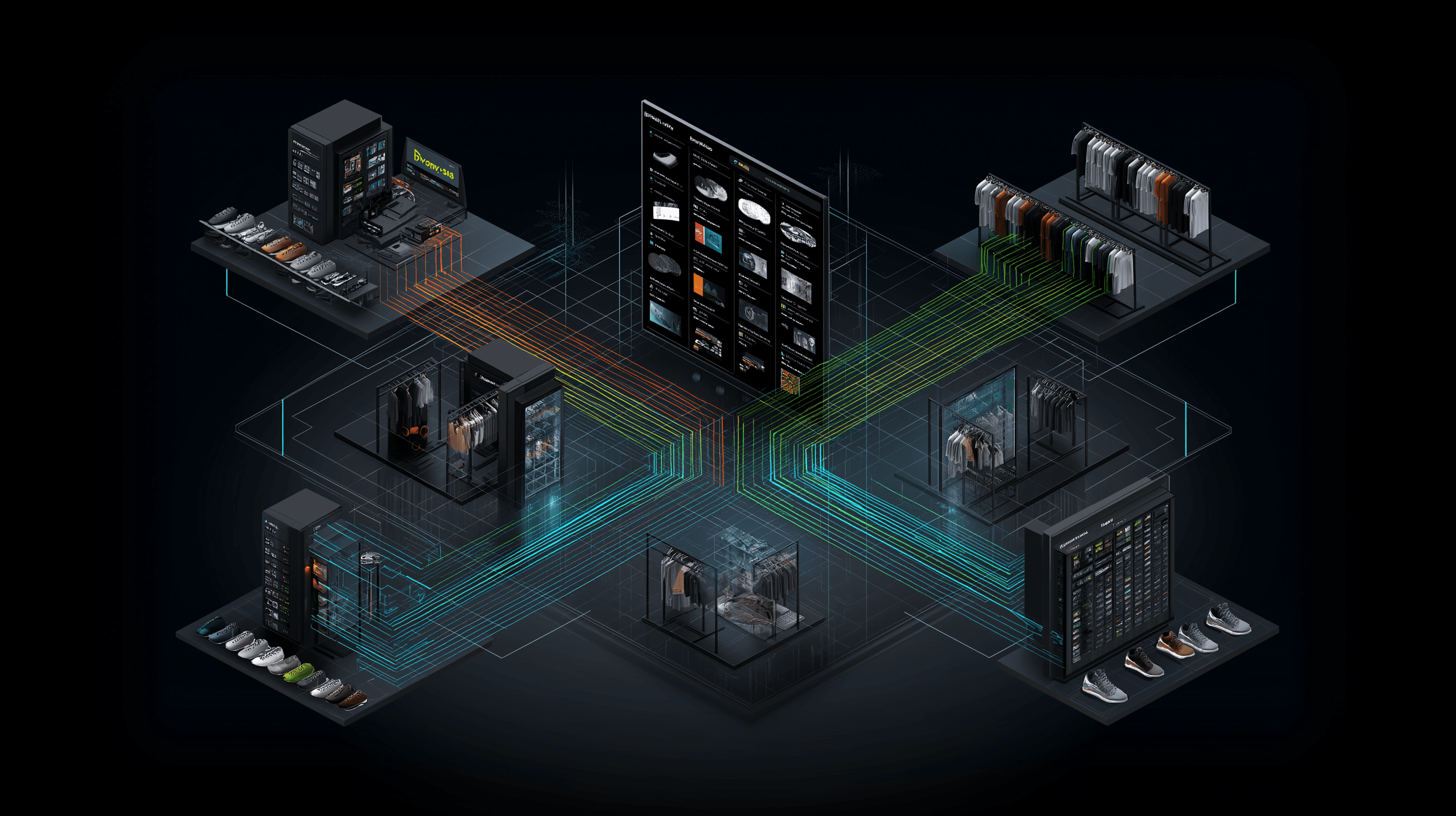
The three-hour sync is not a speed trick. It's what happens when product data stops living in exports and imports and starts living in one intelligent layer that every channel draws from. Once that layer exists, "sync" stops being a project you schedule and becomes a property of the system: always on, always current.
The brands doing this aren't bigger or better-resourced. They just stopped treating product data as something you move between tools and started treating it as the asset the whole operation runs on.
Keep reading